
Truman Sinclair’s Rivers of Sugar and Blood Is an EP About Growing Up With Your Heart Exposed
Truman Sinclair’s Rivers of Sugar and Blood feels like a map drawn in shaky hands — part confession, part survival guide, part love letter to the people who stayed and the ones who drifted away while nobody was really okay. As his first EP for Capitol Records and the follow-up to American Recordings, it carries the weight of a step forward without losing the cracked, bedroom-born intimacy that made his earlier work hit like a voice memo from someone sitting on the edge of their bed at 2 a.m. Sinclair still sounds like himself first and a “major-label artist” second, and that’s exactly why the record works.
The EP lives in emotional extremes, and Sinclair doesn’t try to smooth them out. He frames the project around depression, volatility, and the ripple effects those internal storms have on friendships and daily life, and you can feel that push and pull in the sequencing. Opener “river of blood” sets the emotional stakes high, confronting the kind of heartbreak that doesn’t just hurt in the moment but rewrites entire chapters of your life if you let the anger calcify. The song burns slowly rather than exploding, the arrangement giving his voice room to carry the exhaustion and quiet devastation that comes after the initial impact. It’s less about drama and more about aftermath, which makes it cut deeper.
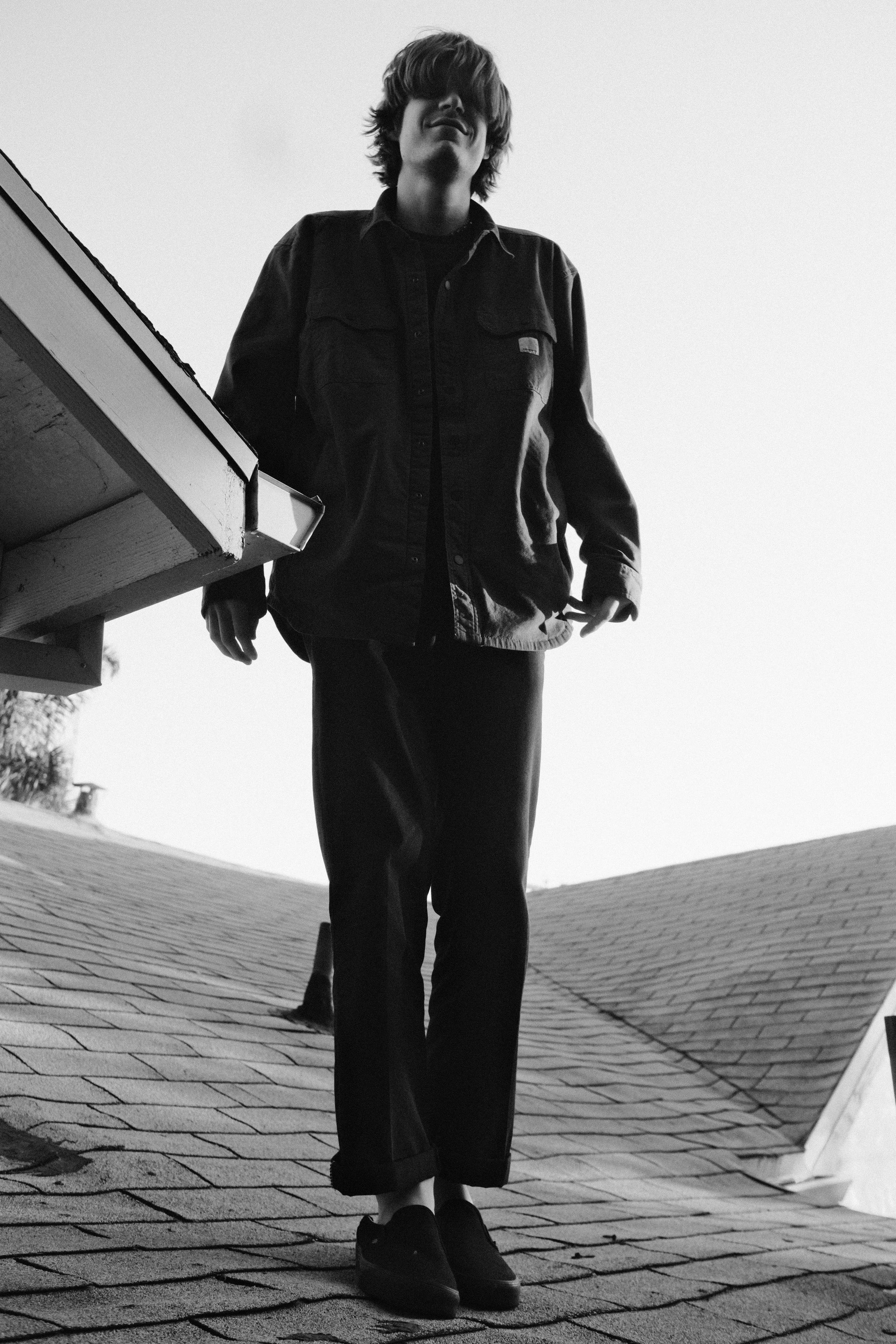
Truman Sinclair for Rivers of Sugar and Blood
“chemical smile” shifts the focus outward with aching empathy, sketching a portrait of mental illness that avoids melodrama in favor of fragile clarity. The idea of wholeness flickering in just before medication takes over is both beautiful and unsettling, and Sinclair handles it with remarkable tenderness. There’s no voyeurism here, just careful observation and a sense of helpless care. The production mirrors that emotional balance — raw around the edges but thoughtfully layered, like he’s documenting something in real time while still shaping it into art.
On “dust to dust,” Sinclair’s cinematic instincts come fully into focus. The image of speeding through the desert at 135, tension hanging in the air, turns a relationship moment into something almost mythic. His vocal delivery — slack, conversational, never over-sung — makes the lines about anger, imagined palaces, and the quiet ways people hurt each other feel lived-in rather than written for effect. The song’s meditation on watching friends win and lose, and the strange mix of tenderness and coldness that comes with growing up, taps into a universal, unglamorous truth: adulthood isn’t a clean break from youth, it’s a slow accumulation of emotional scar tissue.
The previously released tracks “sugar” and “dustland” give the EP a different kind of lift. “Sugar” leans into melody with an ease that nods to classic singer-songwriter warmth without feeling like cosplay; there’s a sun-faded Laurel Canyon glow, but filtered through Sinclair’s Chicago-bred grit. “Dustland,” meanwhile, carries a coming-of-age energy that feels restless and wide-open, its lo-fi textures and storytelling grounding big feelings in physical places and specific memories. Together, these songs show his range: he can write with sweetness and light, but there’s always dirt under the nails.
Closing track “sam & marylou” pulls the camera back the furthest. With its mournful harmonica and poetic framing, it feels almost cosmic, pondering human smallness without slipping into nihilism. Instead, it lands on something quieter: a sense that meaning isn’t found in grand answers but in the fragile connections and stories we leave behind. It’s a fitting end to an EP so preoccupied with how inner turbulence spills outward into the lives around us.
What ties Rivers of Sugar and Blood together is Sinclair’s total authorship. Writing, producing, recording, and playing much of the instrumentation himself, he keeps the sound cohesive and personal, even as the scope of his career widens. You can hear the kid who started in emo and metal scenes, the teenager shaped by folk and heartland rock, and the meticulous studio mind all at once. The recordings are raw but fully realized, like sketches that somehow already know exactly what they want to be.
At just six tracks, the EP doesn’t overstay its welcome, but it leaves a lingering aftertaste — part sweetness, part iron. Sinclair captures the exhausting effort of “keeping your head” in a world that constantly knocks it sideways, and he does it without self-pity or empty grandstanding. Rivers of Sugar and Blood doesn’t promise healing; it offers recognition, which sometimes feels just as necessary.
